
You sit down, pick a game, and the first thing you notice is the promise on the screen. Big numbers, flashing lights, and a counter that climbs while you wait for a trigger. The tension between a network jackpot and hit rate is where most sessions live or die, and it is worth knowing which one is actually doing the work.
The distinction matters because the two mechanics answer different questions. One tells you how often you get something back at all; the other tells you how large that something can become when the whole pool catches fire. If you are weighing a game on a Tuesday after pay has landed, you are usually balancing frequency against the size of the prize you are chasing.
For a quick way to see how that balance plays out in a live title, take a look at the way the gates of olympus 1000 in handles its bonus window and multiplier rounds, because that kind of setup makes the trade-off visible in a single session.
How a Network Jackpot Builds and Pays
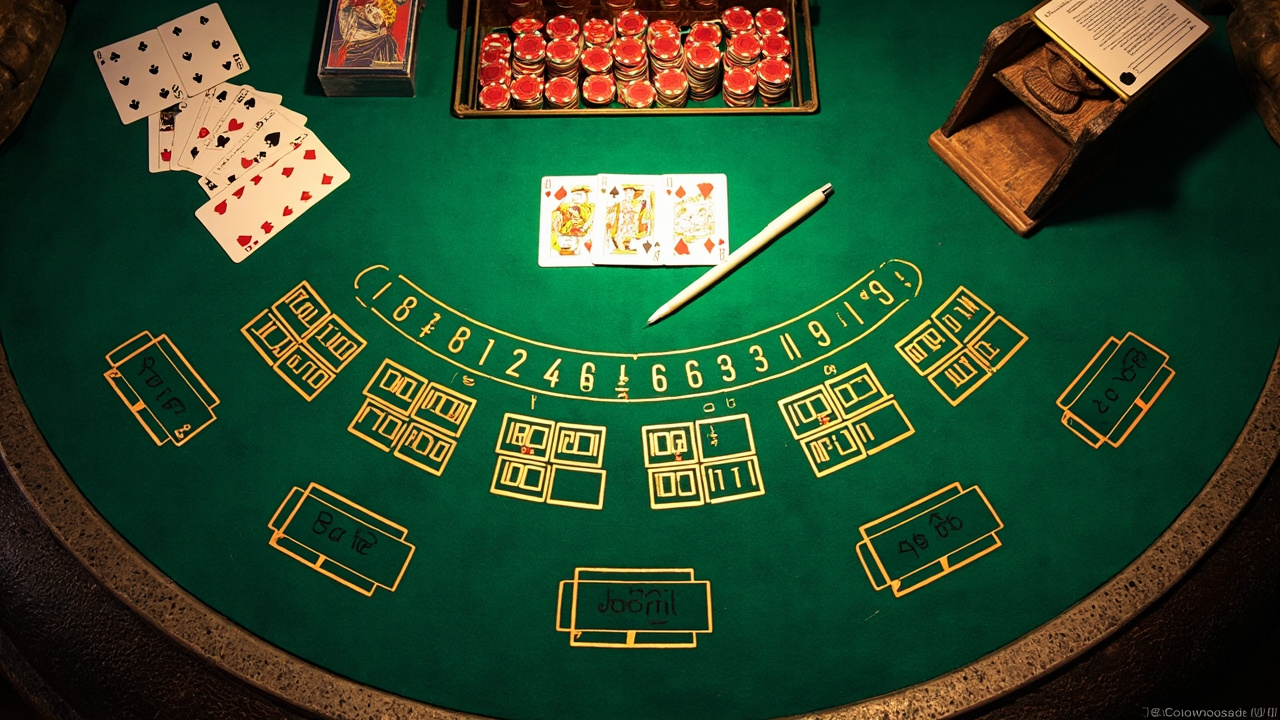
A network jackpot is a prize pool that sits across multiple games or multiple casino accounts, growing with every qualifying bet until a random trigger pays it out. The operator usually sets a seed amount, a contribution percentage from each wager, and a cap or reset rule once the top prize is claimed. The maths is straightforward on paper, but the experience is not.
What you actually feel is the gap between the advertised ceiling and the odds of reaching it. A pool can climb into the hundreds of thousands and still pay out only when the server-side trigger fires, which is independent of how well your base spin performs. That is why two players on the same game can have completely different evenings: one hits a string of small returns and keeps the session going, while the other watches the counter rise without a single meaningful payout.
The practical question is whether the pool is contributing enough per bet to feel meaningful, and whether the trigger window is transparent enough to judge. A pool that woo-spin.org grows slowly but pays regularly can be more useful than a towering number that rarely moves. In a market where cost-of-living pressure shapes how often people sit down to play, that difference between a slow build and a frequent trigger is not decorative; it decides whether a session feels like a planned entertainment expense or a stretch.
As Blake Nelson, Senior Market Analyst, Flinders Interactive Group, puts it, the headline figure on a network jackpot is useful only if you can see the contribution rate and the reset pattern, because a big number with a thin contribution is just a slow clock.
Where Hit Rate Actually Matters
Hit rate is the share of spins, hands, or rounds that return anything at all, including small wins that do not move the needle much. It is the mechanic that keeps a session alive between larger events, and it is often the reason a game feels workable rather than hollow. A high hit rate does not mean profit; it means more moments where the balance does not drift straight down.
This is where the maths and the mood meet. A game with a dense hit rate can give you enough small returns to keep betting through a dry patch, which matters on a week where the budget is tight and you are playing around a payday rhythm rather than treating it as a free-night activity. A lower hit rate with a larger jackpot can feel more dramatic, but it also asks for more patience and a larger bankroll buffer before the session settles into a rhythm.
Jack Hill, Product Analytics Lead, Boomerang Gaming Insights, notes that players who track their own sessions tend to care more about hit rate than the top prize, because the frequency of small returns is what decides whether they stay for another twenty minutes or pack up after a short run.
The comparison is not about which mechanic is better; it is about which one matches the session you are actually taking. If you are after a long, steady evening with enough small returns to keep the balance from collapsing, hit rate is the number to watch. If you are chasing a rare, large pool event and are comfortable with long dry stretches, the network jackpot is the feature that defines the game. Either way, the two numbers belong in the same conversation, because one without the other gives you a lopsided picture.
Reading the Game Without Overreading the Promises
The useful habit is to treat the advertised jackpot as a ceiling and the hit rate as the floor, then judge the game by the space between them. A title with a strong top prize but a thin hit rate asks for patience and a clear stop point. A title with a modest pool and a denser hit rate asks for a longer session and a smaller per-spin stake. Neither is automatically the smarter choice; they suit different evenings and different bankroll plans.Geelongadvertiser
That same discipline applies when navigating titles like gates of olympus 1000 in Australia, where volatility shapes the experience. Players should track their session length against the return frequency to avoid chasing losses. For more insights on managing these parameters, refer to https://gatesofolympus1000au.com/.
It also helps to check how the bonus window behaves when the game shifts into a higher-volatility phase. Some titles keep the base hit rate steady and let the bonus round do the heavy lifting; others compress the base game and rely on a rare trigger to carry the whole session. Knowing which pattern you are sitting down to is the difference between a measured session and a surprise exit.
From a partnership and product standpoint, the operators that explain this trade-off plainly tend to keep players longer, because the expectations match the experience. In a cross-border context, that clarity matters even more, since a player moving between operators expects the same kind of honesty about what a pool win and a regular win actually mean. A flush in a card game, for instance, is any five cards of the same suit, not in sequence, and that kind of precise definition is exactly what players need when they are weighing a jackpot claim against the ordinary wins that keep the session moving.
If you have sat through a session where the pool climbed nicely but the base game stayed quiet, or the other way around, what did you notice first: the size of the prize on the board, or how often the balance gave you something back?